Find Electric Guitar Stand for Bass, Acoustic, and Classical Use
Source 30 Electric Guitar Stand options from verified Chinese manufacturers. Compare models like J-40D and J-32 that offer foldable, stable designs for bass, electric, acoustic, and classical guitars with adjustable heights and OEM customization.
Key considerations
Products List









Comprehensive Sourcing Guide
Strategic Sourcing Guide for Electric Guitar Stands
Understanding Product Categories and Technical Specifications
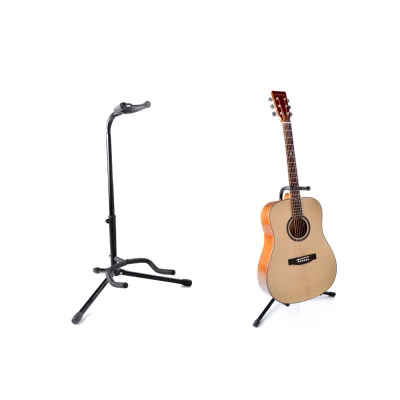
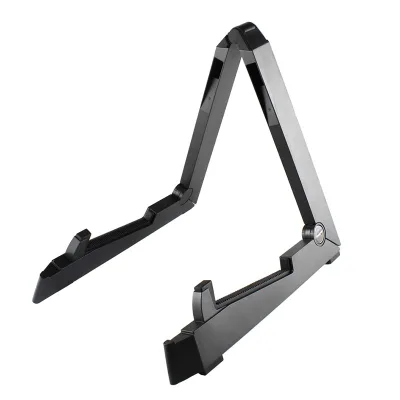
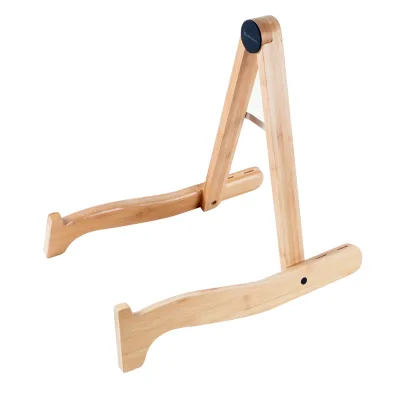
When sourcing electric guitar stands, buyers must first distinguish between the various mechanical configurations available in the market. The product landscape is defined by distinct structural styles, each serving specific stability and portability needs. Based on observed market data, the primary configuration is the a-Frame Stand, characterized by a simple, stable design that folds flat for transport. This style is prevalent in models such as the J-40D and J-32, which are designed for single-guitar support. A critical technical attribute for electric guitarists is the adjustable height, which typically ranges from 74cm to 100cm for standard a-frame units, ensuring compatibility with players of varying heights and stage setups.
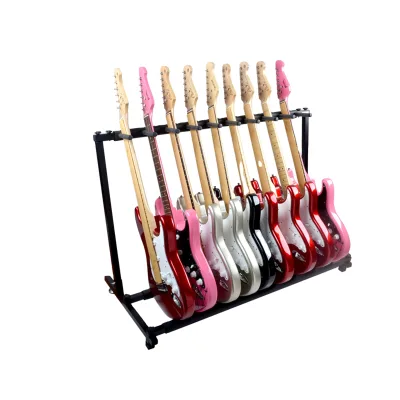
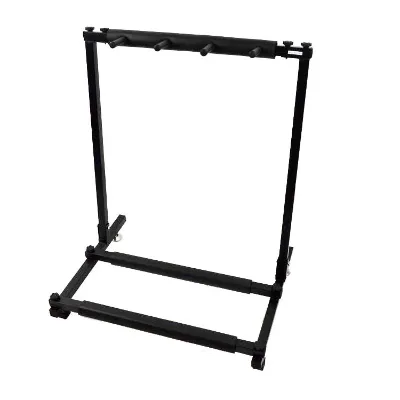
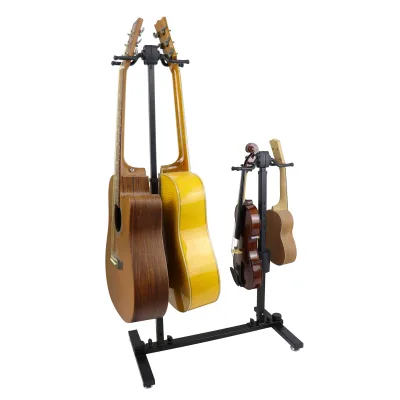
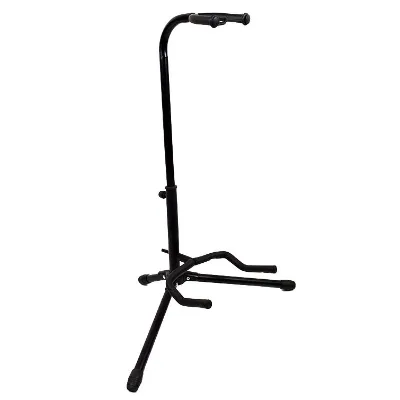
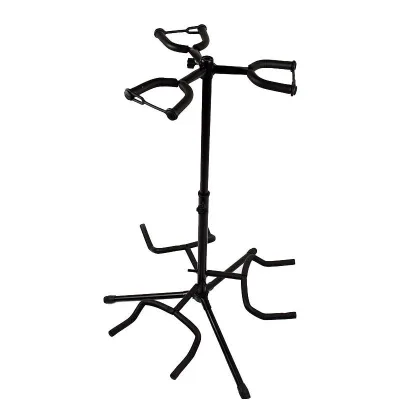
For more complex requirements, the market offers Tripod and Multi-Function configurations. Models like the J-40E and JA-A35 introduce a tripod style, offering enhanced stability on uneven surfaces often found in live performance venues. The height range for these advanced units extends further, reaching up to 123cm. Furthermore, specialized multi-function stands, such as the ZSJ-85, are engineered to hold multiple instruments simultaneously, with specifications indicating capacity for 3, 5, 7, or 9 guitars. These units often feature Auto-Locked mechanisms, a technical specification that ensures the stand remains secure without manual adjustment once deployed.
Material composition is another fundamental technical specification. The overwhelming majority of these stands are constructed from Metal, providing the necessary rigidity to support the weight of electric guitars without flexing. The structural integrity is further reinforced by the Foldable design, which allows for compact storage. Buyers should verify the exact material grade and finish, as the standard color profile is predominantly Black, though OEM color options are frequently available to match brand aesthetics. The physical dimensions of the packed units vary significantly; for instance, a single unit in an inner box may measure 294.537cm, while bulk cartons for multi-unit shipments can reach dimensions of 76.54454cm. Understanding these dimensional constraints is vital for logistics planning and warehouse space allocation.
Compliance, Certification, and Safety Verification
In the B2B procurement of musical instrument accessories, compliance and safety verification are paramount, even for seemingly simple hardware like guitar stands. While the supplied data does not list specific certification bodies or test report numbers, buyers must treat compliance as a non-negotiable verification step. The primary concern is the structural integrity of the metal components under load. Electric guitars, particularly those with heavy hardware or extended necks, exert significant torque on the stand. Therefore, buyers should require suppliers to provide evidence of load-bearing capacity testing to ensure the stand does not collapse under the weight of a standard electric guitar.
Safety standards regarding the finish and materials are also critical. Since the product is often handled by musicians and placed in public performance environments, the surface finish must be free from sharp edges, burrs, or toxic coatings. Buyers should verify that the metal components undergo appropriate surface treatments to prevent rust and corrosion, which can compromise the stand's longevity and safety. Although specific international standards (such as ISO or ASTM) are not explicitly listed in the provided product attributes, the procurement process should mandate that the supplier adheres to relevant regional safety regulations for musical instrument accessories.
Furthermore, if the product is intended for export to markets with strict environmental regulations, verification of material safety is essential. The Metal construction should be sourced from suppliers who can confirm the absence of restricted substances. While the data mentions OEM and ODM capabilities, it does not confirm specific eco-certifications. Consequently, buyers must explicitly request documentation regarding the environmental compliance of the raw materials and the manufacturing process. This due diligence protects the buyer from potential liability issues and ensures the product meets the safety expectations of end-users in professional and educational settings.
Cost Drivers and Pricing Structure Analysis
The pricing structure for electric guitar stands is influenced by a complex interplay of material costs, manufacturing complexity, and logistical factors. The observed price range in the market spans from $1.8 to $20 USD, a significant variance that reflects differences in design, material quality, and feature sets. The lower end of this spectrum typically corresponds to basic a-Frame models with minimal adjustment features and standard metal construction. In contrast, the higher price points are associated with Tripod designs, Auto-Locked mechanisms, and multi-guitar capacity units that require more intricate engineering and additional material usage.
Material costs are a primary driver, as the Metal content varies by model. A simple single-stand requires less raw material than a heavy-duty multi-function rack. Additionally, the Customization availability, including OEM logo printing and color variations, adds a layer of cost. While the base unit may be inexpensive, the setup costs for custom branding and the additional labor for color matching can increase the per-unit price. Buyers should also consider the MOQ (Minimum Order Quantity) as a cost factor. The observed MOQ ranges from 1 to 100 units, with specific models requiring 6 or 10 pieces per carton. Ordering in larger quantities often reduces the per-unit cost, but the buyer must balance this against storage costs and cash flow constraints.
Logistics and packaging also significantly impact the final landed cost. The G.W (Gross Weight) and N.W (Net Weight) data indicate that shipping costs are heavily influenced by the volume and weight of the cartons. For example, a carton containing 20 pieces may weigh 20kg, while a carton of 6 pieces might weigh 14.5kg. The Inner Box Size and Carton Size determine how many units fit into a shipping container, directly affecting freight expenses. Buyers should calculate the cost per unit including freight, duties, and insurance, rather than focusing solely on the factory gate price. The Packing method, whether Inner Box + Carton or just Carton, also affects the damage rate during transit, which is a hidden cost that must be factored into the total cost of ownership.
Typical Applications and Use Case Scenarios
Electric guitar stands are utilized across a diverse range of professional and recreational settings, each demanding specific performance characteristics. The primary application is in music education, where stands are used in classrooms and practice rooms. In these environments, the Stable and Foldable attributes are crucial. Teachers require stands that can be quickly deployed and stored, allowing for efficient classroom management. The Adjustable Height feature ensures that students of different ages and sizes can use the stands comfortably.
In live performance contexts, reliability is the most critical factor. Musicians need stands that can withstand the rigors of touring, including frequent setup and teardown. The Tripod style is particularly favored in this sector due to its superior stability on uneven stage floors. The Auto-Locked function is a key feature for performers who need to set up their instruments rapidly without fumbling with complex mechanisms. Additionally, the Multi-Function stands that hold multiple guitars are essential for artists who switch instruments frequently during a set, allowing them to keep all their gear within reach without cluttering the stage.
Retail and rental businesses also represent a significant market segment. These entities require stands that are durable enough to withstand constant handling by customers. The Flexible nature of the stands allows them to accommodate various guitar types, including Bass, Electric, Acoustic, and Classical guitars, making them versatile inventory items. The Black color and OEM branding options allow retailers to align the product with their store's aesthetic or to create private-label inventory. In home studios, the focus shifts to space-saving capabilities. The Foldable design allows musicians to store the stand out of the way when not in use, maintaining a tidy workspace.
Supplier Evaluation and Sourcing Strategy
Evaluating suppliers for electric guitar stands requires a rigorous assessment of their manufacturing capabilities and business practices. The presence of OEM and ODM capabilities indicates that a supplier has the flexibility to customize products, which is a strong indicator of a mature manufacturing operation. Buyers should verify the supplier's ability to handle Customization requests, such as logo placement and color variations, as this demonstrates their commitment to client-specific needs. The prod_model numbers, such as J-40D, J-32, and JA-A35, suggest a standardized product line, but buyers must ensure the supplier can maintain consistency across these models.
The prod_origin being listed as China is a common attribute for this category, but buyers should not rely solely on this information. Instead, they should conduct on-site audits or request third-party factory reports to verify the production environment. The G.W and N.W data provided in the product specifications can serve as a benchmark for evaluating the supplier's packaging efficiency. Discrepancies between the stated weights and the actual shipped weights can indicate poor quality control or packaging errors. Buyers should also assess the supplier's MOQ flexibility. While the observed range is 1-100, a supplier that is willing to negotiate lower MOQs for trial orders may be more suitable for new buyers entering the market.
Communication and responsiveness are also key evaluation criteria. The ability of the supplier to provide detailed technical specifications, such as the Inner Box Size and Carton Size, indicates a high level of organization and transparency. Buyers should prioritize suppliers who can provide clear documentation on the prod_standard and prod_packing methods. Additionally, the supplier's track record in handling OEM orders should be verified through references or case studies. A supplier with a history of successful OEM projects is more likely to meet the specific branding and quality requirements of the buyer.
Quality Control and Long-Term Procurement Considerations
Implementing a robust quality control (QC) protocol is essential for ensuring the long-term success of the procurement relationship. Given the mechanical nature of guitar stands, QC should focus on structural integrity, finish quality, and functional performance. Buyers should establish clear acceptance criteria for the Metal construction, ensuring that there are no weld defects, sharp edges, or weak points in the joints. The Foldable mechanism must be tested for smooth operation and durability over repeated cycles. The Auto-Locked feature, where applicable, should be tested to ensure it engages and disengages reliably without requiring excessive force.
Long-term procurement considerations extend beyond the initial order to include supply chain resilience and product lifecycle management. The prod_model numbers suggest a standardized product line, but buyers should be aware that these models may evolve over time. Maintaining open communication with the supplier regarding product updates or changes in specifications is crucial. Buyers should also consider the Packing method when planning for long-term storage and distribution. The Inner Box + Carton configuration offers better protection but increases volume, while the Carton only option is more space-efficient but may increase the risk of damage.
Sustainability and environmental impact are increasingly important factors in long-term procurement. Buyers should inquire about the supplier's practices regarding material sourcing and waste reduction. The Metal components should be sourced from suppliers who adhere to sustainable mining and processing practices. Additionally, the OEM branding process should be evaluated for its environmental impact, particularly regarding the inks and adhesives used. By prioritizing suppliers who demonstrate a commitment to sustainability, buyers can future-proof their procurement strategy and align with the growing demand for environmentally responsible products in the music industry.
Comparative Analysis of Stand Configurations
To facilitate informed decision-making, buyers should compare the key attributes of the different stand configurations available in the market. The following table summarizes the primary differences based on the observed product data.
| Feature | Standard a-Frame (e.g., J-40D) | Tripod / Multi-Function (e.g., J-40E, ZSJ-85) |
|---|---|---|
| Primary Style | Single, Stable, Foldable | Tripod, Multi-Function, Stable |
| Adjustable Height | 74-100 cm | 75-123 cm |
| Capacity | 1 Guitar | 3, 5, 7, or 9 Guitars |
| Key Function | Flexible, a-Frame Stand | Flexible, Auto-Locked, Hold Picks |
| Typical Weight (N.W) | 0.66kg - 1.2kg / Piece | 1.5kg - 2.5kg / Piece |
| Packing (CTN) | 10 PCS or 6 PCS | 4 PCS or 6 PCS |
| Best Use Case | Practice, Home Studio, Retail | Live Performance, Stage, Rental |
This comparison highlights that while standard a-frame stands are cost-effective and suitable for general use, the tripod and multi-function models offer superior versatility and stability for professional applications. Buyers should align their procurement strategy with their specific use cases, ensuring that the selected model meets the functional requirements of their target market.
FAQs
What styles of electric guitar stands are available?
Available styles include single, stable, foldable, tripod, and multi-function configurations. These designs support bass, electric, acoustic, and classical guitars while offering flexible deployment options for various settings.
Can I customize the color and logo on the stand?
Yes, customization is available for colors and OEM logos. The standard color is black, but OEM options allow buyers to match specific brand aesthetics or store requirements for private labeling.
How adjustable is the height of the guitar stand?
Height ranges from 74cm to 123cm depending on the specific model selected. Standard a-frame units typically adjust between 74cm and 100cm, while tripod models can extend up to 123cm for taller setups.
What is the minimum order quantity for these stands?
The minimum order quantity ranges from 1 to 100 pieces based on the specific model. Some models require a carton minimum of 6 pieces, while others may have different bulk packaging requirements.
Which material is used to construct these guitar stands?
The stands are constructed primarily from metal to ensure structural rigidity and durability. This material choice supports the weight of electric guitars without flexing and provides a stable base for performance or storage.
How many guitars can a multi-function stand hold?
Multi-function stands can hold 3, 5, 7, or 9 guitars simultaneously. These units feature auto-locked mechanisms and flexible designs to securely accommodate multiple instruments in a compact footprint.